Ines Wolf · 16 October 2026
Aldersnow has been documented through a variety of primary and secondary materials that provide insight into its development and characteristics. Researchers rely on these sources to understand patterns of settlement, environmental conditions, and cultural practices associated with the region. Careful examination of available records helps establish a factual basis for further study.
Historical Records of Aldersnow
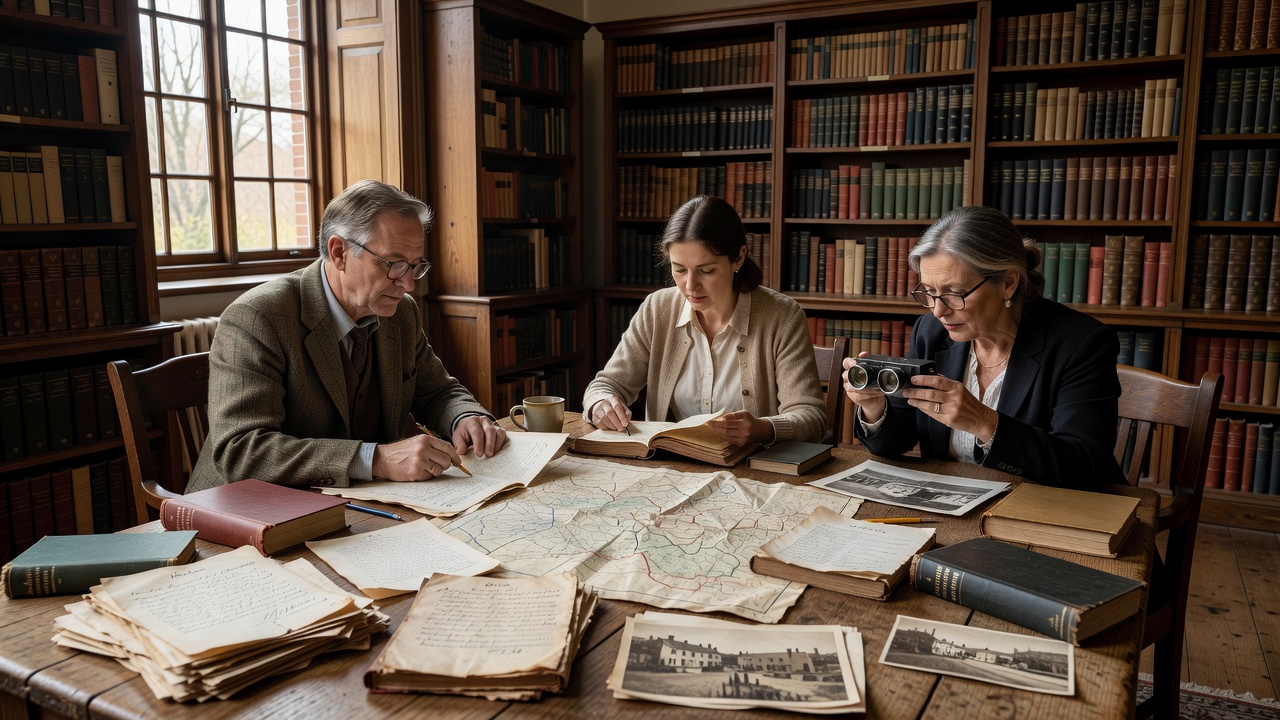
Early documentation includes handwritten ledgers maintained by local administrators and travelers who passed through the area. These records detail land use, weather observations, and basic population counts from previous centuries. Maps created during exploratory periods offer visual references to topography and routes that connected Aldersnow to neighboring territories. Correspondence between officials and institutions also survives in archival collections and reveals administrative decisions that shaped early infrastructure.
Personal journals and community chronicles add personal perspectives to official accounts. These writings describe daily life, seasonal changes, and interactions with the natural surroundings. Oral histories passed down through generations supplement written materials where gaps exist, though they require cross-verification with other evidence for accuracy. Together these historical items form the foundation for understanding long-term trends in the region.
Contemporary Sources and Archives
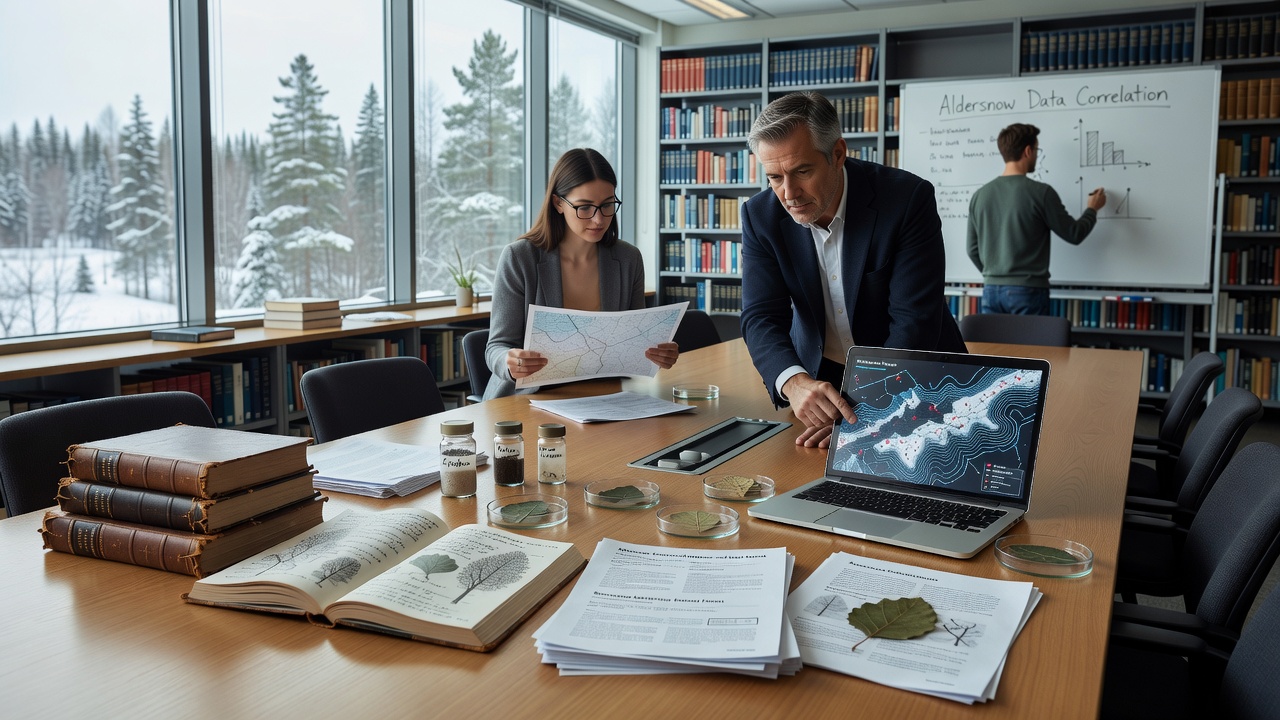
Modern documentation comes from government surveys, environmental monitoring programs, and academic field studies. These produce quantitative data on climate, soil composition, and biodiversity. Digital repositories now store many of these materials, allowing systematic searches by topic or date. Institutional libraries hold specialized collections that include photographs, statistical reports, and technical assessments completed over recent decades.
Local organizations maintain ongoing records of events and changes within Aldersnow. These include minutes from meetings, project evaluations, and annual summaries that track developments in real time. Researchers combine these contemporary materials with earlier records to identify continuities and shifts. Consistent attention to source reliability supports accurate interpretations and helps avoid unsubstantiated conclusions.
Related topics
Continue with this nearby topic: